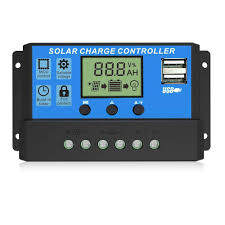
A solar charge controller is an electronic device that regulates the flow of electricity from solar panels to batteries, preventing overcharging and over-discharging to ensure battery health and longevity. It acts as a crucial interface in off-grid and hybrid systems, managing voltage and current to optimize charging and protect both the battery and connected loads.
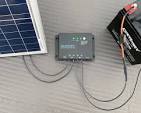
Here’s a more detailed explanation:
What it does:
- Voltage and Current Regulation:Solar panels produce varying voltages depending on sunlight and other factors. The charge controller regulates this fluctuating power to a consistent voltage that the battery can safely handle.
- Overcharge and Over-discharge Protection:It prevents the battery from being overcharged, which can damage the battery and reduce its lifespan, and also prevents it from being discharged too deeply, which can also cause damage.
- Load Management:In some systems, the charge controller also manages the power flow to connected loads, ensuring they receive the correct voltage and current.
Why it’s important:
- Battery Longevity:By preventing overcharging and over-discharging, the charge controller significantly extends the lifespan of the battery.
- System Efficiency:It ensures that the solar panels are operating at their optimal point, maximizing energy transfer to the battery.
- System Safety:By regulating voltage and current, the charge controller helps prevent potential hazards associated with overcharging, such as battery damage or even fire.
Types of Solar Charge Controllers:
MPPT (Maximum Power Point Tracking): These are more efficient, especially in larger systems, and can extract more power from the solar panels.
PWM (Pulse Width Modulation): These are simpler and more affordable, suitable for smaller systems.